The three words get used interchangeably, but they describe three different operations with different goals, different funding models, and different ways your donation lands. Picking the one that matches your values is the easiest way to make sure your money does what you wanted it to do.
Animal shelters — temporary care, fast turnover
A shelter is a physical facility that takes in animals — strays, owner-surrenders, animals from cruelty cases — and tries to find them new homes as quickly as it can. In many countries shelters are partly government-funded, which means they have an obligation to accept any animal brought to them; this also means they sometimes run at or above capacity, which is when they need outside donations most.
A shelter's success metric is adoption rate. Their cost drivers are intake processing (vaccination, neutering, microchipping) and the daily care of however many animals happen to be in the building this week.
Support a shelter if: you want to help the maximum number of animals find homes. Your money will spread across many animals over many months.
Animal rescues — networked, often volunteer-run
A rescue is usually smaller, more specialised, and runs without a public-facing building. Animals live in foster homes scattered across a city or region while the rescue finds them permanent placements. Rescues are typically all-volunteer, which is why they get involved in cases shelters can't take — medical specials, behavioural rehabilitation, specific breeds, specific species.
Their cost drivers are veterinary bills (almost always) and the foster pipeline. Their adoption process is usually slower than a shelter's because they're trying to match a specific animal to a specific home, not just place a dog in a yard.
Support a rescue if: you want your money to stretch on hard medical cases or specialty work. Smaller organisations turn donations into outcomes very quickly — $200 to a 5-person rescue moves something tomorrow.
Sanctuaries — lifetime care, no adoption
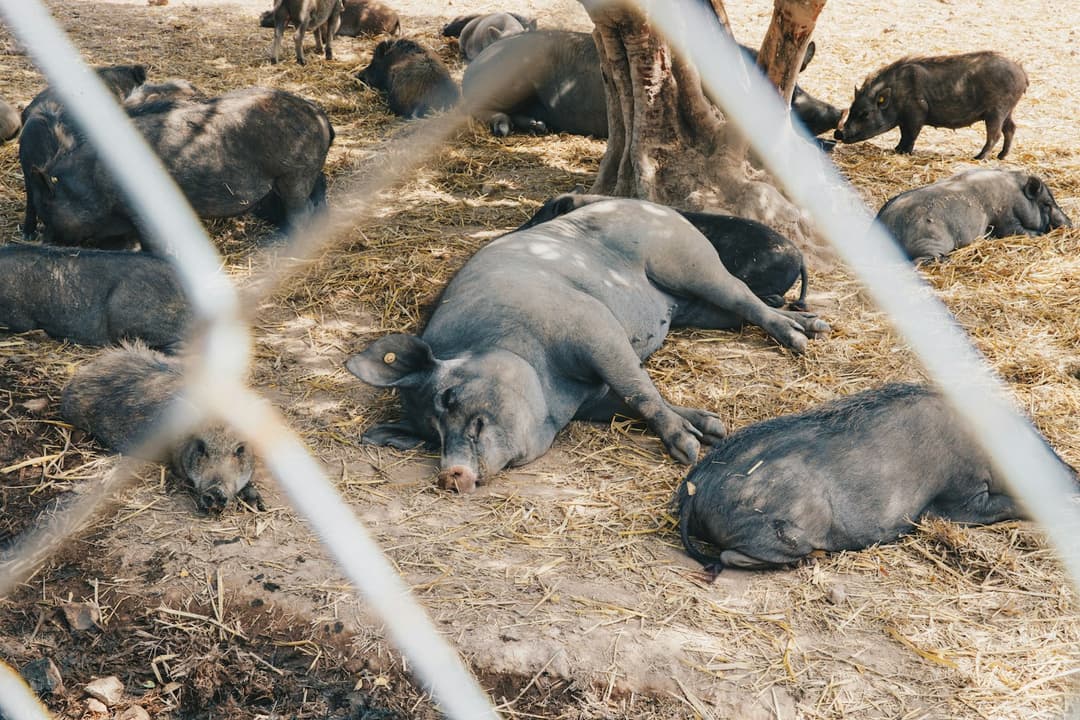
A sanctuary is the end of the road in a good way. The animals there will not be adopted out. They're too old, too traumatised, too ill, too imprinted, or — in the case of farm and wildlife sanctuaries — too unsuited for life as someone's pet. The sanctuary's commitment is to feed and house them for the rest of their lives.
Sanctuaries are expensive on a per-animal basis because the time horizon is years or decades, not weeks. Their cost drivers are land, feed, and long-term veterinary care.
Support a sanctuary if: you want to fund dignity for animals who won't fit anywhere else. Your money buys retirement, not rehoming.
How to choose
- Maximum reach: shelter or rescue. Lots of animals helped per euro.
- Hard medical cases: rescue. They take what shelters can't.
- Quiet, long-term care: sanctuary. The animals you support there will know you, in a way.
- Farm or wild animals: sanctuary or wildlife organisation specifically — shelters and rescues are almost always for domestic pets.
How Animly handles this
Every shelter on Animly registers with an organisation type. The /explore page lets you filter by it — show me only sanctuaries, or only wildlife organisations — so you can pick the kind of help you want to give before you even see a single animal photo.