One of the quiet reasons people don't donate is that they have no idea whether their amount is worth giving. Five dollars feels like it can't possibly matter. A hundred feels like it should do more than it does. Without reference points, every number feels wrong.
So here are the reference points. Costs vary by country and shelter, but the ranges below are typical for a small or mid-sized shelter operating in Europe or North America in 2026.
$5 — one week of dry food for a small cat
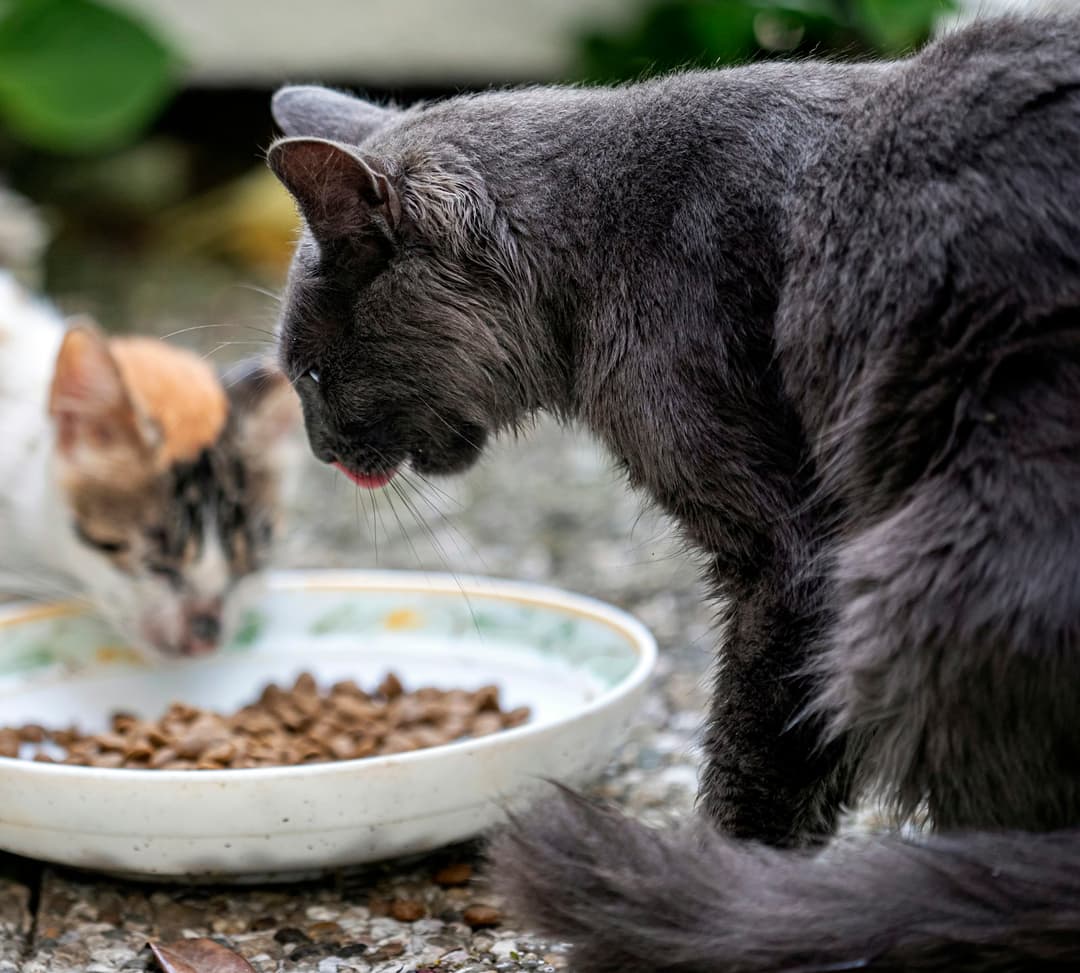
Bulk-bought kibble for a single small cat runs about $0.70 a day. Your five dollars feeds one cat for a week, or two kittens for a few days. Multiply by how many cats live in the average shelter — most have 30 to 100 — and you can see why "just five" is not actually small.
$10 — a basic first-aid kit refill
Bandages, antiseptic, wound dressings, anti-parasite treatment for one course. Every shelter goes through consumables faster than they'd like.
$25 — one routine vaccination
A core vaccine for a dog or cat — rabies, DHPP, FVRCP — runs $15 to $30 at a low-cost clinic, more at a private vet. Shelters often negotiate bulk rates, so $25 typically covers one full shot.
$50 — half of a spay or neuter
Spay/neuter is the single most leveraged donation you can make. A spayed female cat will not produce three to seven kittens a year for the rest of her life. The procedure itself costs $80–$200 depending on country and the animal's size. Your $50 covers roughly half — pair it with someone else's and you've stopped a litter before it starts.
$100 — one veterinary check-up
A general veterinary visit with blood work and a basic health screen lands in the $90–$110 range for a routine case. For a shelter that intakes ten animals a month, this is the cost of one new arrival's baseline exam.
$500 — a contribution toward an emergency surgery
Emergency surgeries — pyometra, trauma, orthopaedic repair — start around $800 at the low end and run into the thousands. A $500 donation is rarely the whole bill, but it's often the difference between a shelter being able to green-light the surgery on the spot and having to start a fundraiser the animal might not survive.
$1,000+ — operational runway
At a larger scale, donations stop being about one bag of food and become about whether the shelter can pay electricity and rent next month. The hidden, unsexy line items — utility bills, fuel for the rescue vehicle, cleaning supplies, software — are usually what shut shelters down, not lack of love.
How Animly handles this
When you donate through Animly, you pick the shelter (or the specific animal-in-need). 90% of the donation goes to them. The 10% platform fee covers verification, fraud prevention, payment processing, and the engineering that keeps everything running. Payment processor fees (~3%) are added separately and shown to you at checkout — no surprises after the fact.